
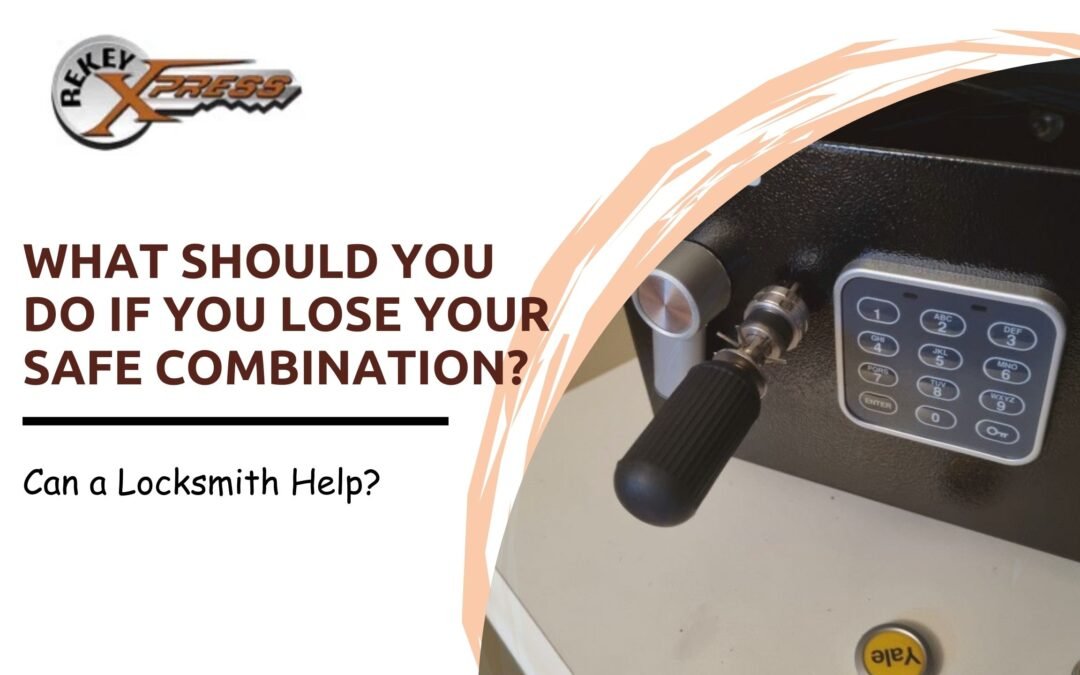
Losing a safe combination can feel overwhelming, especially when important documents, valuables, or cash are locked inside. Many people panic, try random numbers, or even consider breaking the safe open. Unfortunately, those actions often lead to permanent damage and higher repair costs. Understanding what to do—and what not to do—can save you time, money, and stress.
Here, we’ll walk you through the right steps, explain how professional safe opening works, and answer a common question many people ask in this situation: can a locksmith open a safe without the combination, and if so, how it’s done safely and legally.
Did you know?
According to ALOA ethical standards, licensed locksmiths must verify ownership or authorization before opening any safe, ensuring compliance with local laws and responsible handling of secured property.
Key Takeaways:
- Losing a safe combination is common and solvable
- Guessing codes can make the problem worse
- Professional locksmiths use non-destructive methods first.
- Ownership verification is a standard and necessary step.
- Safe type determines the opening technique.
- DIY attempts often cause costly damage
First Things First: Stay Calm and Stop Guessing
The moment you realize the combination is missing or forgotten, pause. Repeatedly dialing random numbers is rarely helpful. Many modern safes include re-locking mechanisms that activate after multiple failed attempts. Once triggered, the safe becomes much harder and more expensive to open.
If you recently changed the code, double-check any notes, emails, or secure password managers. Some manufacturers also provide a recovery process if you can prove ownership. If those options don’t work, it’s time to look at professional help rather than DIY solutions.
Why People Lose Safe Combinations More Often Than You Think?
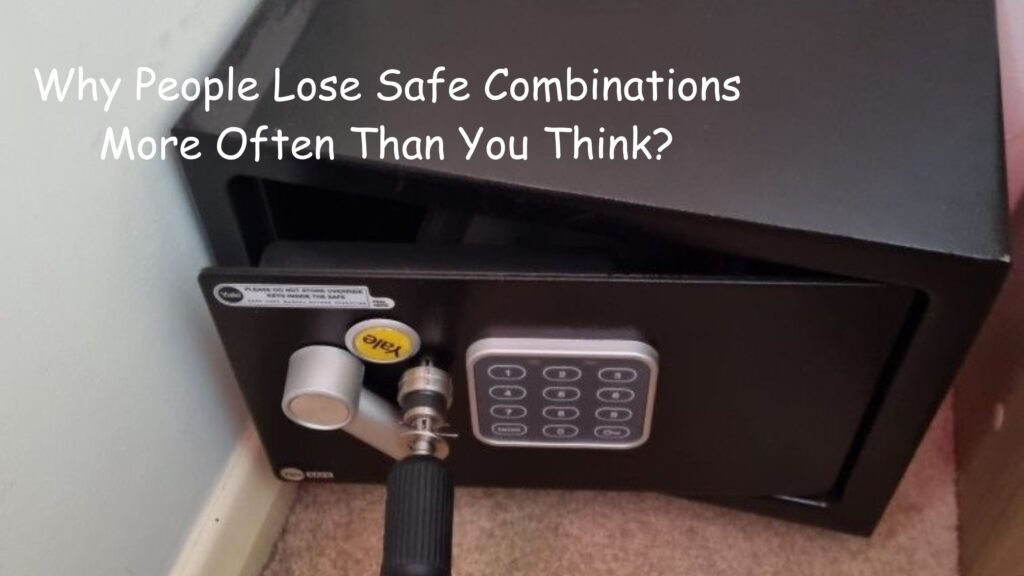
Forgetting a safe code is surprisingly common. It doesn’t mean you were careless—it usually happens because of normal life changes.
Some of the most common reasons include:
- Infrequent safe use, causing memory fade
- Multiple people setting or changing combinations.
- Moving into a new home with an existing safe
- Stressful situations where codes were set quickly
- Relying on memory instead of secure written storage
When these situations arise, a forgot safe combination locksmith service becomes the safest and most reliable solution.
Can a Locksmith Really Help Without the Combination?
This is one of the most common questions we hear: can a locksmith open a safe without the combination safely and legally? Yes—when done by a trained professional, safe opening is a precise and controlled process.
Professional locksmiths are trained to work with many types of safes, including:
- Mechanical dial safes
- Digital keypad safes
- Fireproof safes
- Gun safes
- Commercial and high-security safes
The method used depends on the safe’s design, age, and security level. The goal is always to open the safe while preserving its integrity whenever possible.
How Safe Opening Without a Combination Actually Works?
There is no single method for safe opening without a combination. A professional locksmith first evaluates the safe and then selects the least invasive option.
Common professional techniques include:
- Safe manipulation: Listening and feeling internal components to decode mechanical locks
- Manufacturer override methods: Using approved procedures when documentation is available.
- Digital diagnostics: Resetting or bypassing electronic locks with specialized tools
- Precision drilling: Creating a small, repairable access point if manipulation fails
A skilled locksmith prioritizes non-destructive methods before considering drilling.
Why DIY Safe Opening Is a Bad Idea?
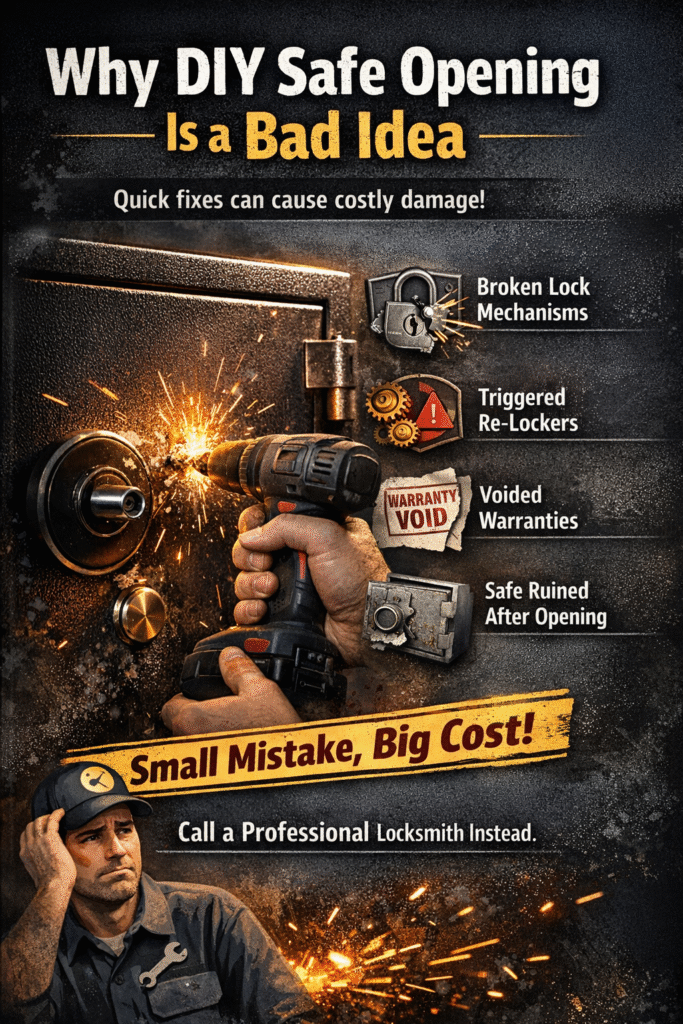
Online videos often make safe cracking look easy. In reality, most DIY attempts cause more harm than good.
Here’s what can go wrong when trying to open a safe yourself:
- Permanent damage to locking mechanisms
- Triggering re-lockers that increase complexity
- Voiding manufacturer warranties
- Making the safe unusable after opening
What starts as a small problem can quickly turn into a costly replacement. Professional locksmiths know how to avoid these risks.
Legal and Ownership Verification: What to Expect
Before opening any safe, a legitimate locksmith will verify ownership. This protects you and ensures legal compliance.
You may be asked to provide:
- Photo ID
- Proof of address or property ownership
- Purchase receipt or manufacturer registration
- Authorization from a business owner or manager
This process is standard and ensures safe services are provided responsibly.
Residential vs. Commercial Safe Situations
Home safes and business safes require different approaches. Residential safes often focus on fire and theft protection, while commercial safes prioritize access control and audit trails.
If you own a home safe in Montgomery County, working with a Safe locksmith Willis TX ensures local experience with common residential safe models found in the area.
Commercial safes, on the other hand, may include time locks, dual controls, or networked access systems. These require advanced tools and training.
Digital Safes vs. Mechanical Safes: Does It Matter?
Yes, the type of lock significantly affects the opening process.
Mechanical safes
- Rely on dial precision
- Often opened through manipulation.
- Rarely need drilling when handled by experts.
Digital safes
- May fail due to dead batteries or circuit errors
- Can sometimes be reset without damage
- Require electronic diagnostics
For residents and businesses near Safe Locksmith The Woodlands TX, local expertise matters because different regions often favor different safe brands.
How Long Does It Take to Open a Safe?
The timeline depends on the safe’s complexity and condition.
- Simple safes: 30–60 minutes
- Mid-level security safes: 1–2 hours
- High-security or commercial safes: Several hours
A professional locksmith will always explain expected timeframes before starting.
Can the Safe Be Reused After Opening?
In many cases, yes. One major benefit of professional service is preserving the safe for continued use.
After opening, a locksmith can:
- Reset or change the combination
- Repair drilled access points.
- Replace damaged locks
- Upgrade to more secure locking systems
This is especially valuable for gun safes and fire-rated safes.
Emergency Safe Lockouts: What to Do
Sometimes safe lockouts happen at the worst possible moment—after business hours or during emergencies. Professional locksmiths often provide emergency services for these situations.
If your safe is located in Grimes County, contacting a Safe locksmith Plantersville TX ensures faster response times and familiarity with local needs.
Choosing the Right Locksmith for Safe Services
Not all locksmiths specialize in safes. When selecting a professional, look for:
- Proven safe-opening experience
- Transparent pricing
- Proper licensing and insurance
- Clear explanation of methods
- Willingness to verify ownership
Avoid anyone who immediately suggests destructive methods without inspection.
Cost Expectations: What Influences the Price?
Safe opening costs vary based on:
- Safe type and security level
- Lock mechanism
- Time required
- Need for repairs afterward
Professional locksmiths provide estimates upfront and explain any additional charges clearly.
Losing access to a safe doesn’t mean losing what’s inside. With the right professional approach, even complex lockouts can be resolved safely and efficiently. When handled correctly, locksmith open safe without a combination doesn’t have to result in damage or long-term inconvenience.
If you’re facing a safe lockout and want reliable, transparent help, reach out to Rekey Xpress today to speak with professionals who understand safe security and customer peace of mind.
Also Read This Blog:-
Frequently Asked Questions
Q1. Can a locksmith open any type of safe?
Most professional locksmiths can open residential and commercial safes, but high-security models require specialized expertise.
Q2. Will opening a safe damage it permanently?
Not usually. Skilled locksmiths prioritize methods that allow the safe to be reused.
Q3. How do I prove ownership of a safe?
Valid ID, proof of address, purchase records, or business authorization are commonly accepted.
Q4. Is drilling always required to open a safe?
No. Drilling is a last resort when non-destructive techniques are not possible.
Q5. What should I do after my safe is opened?
Reset the combination, repair any access points, and consider upgrading the lock for future security.